(read the article in english below)
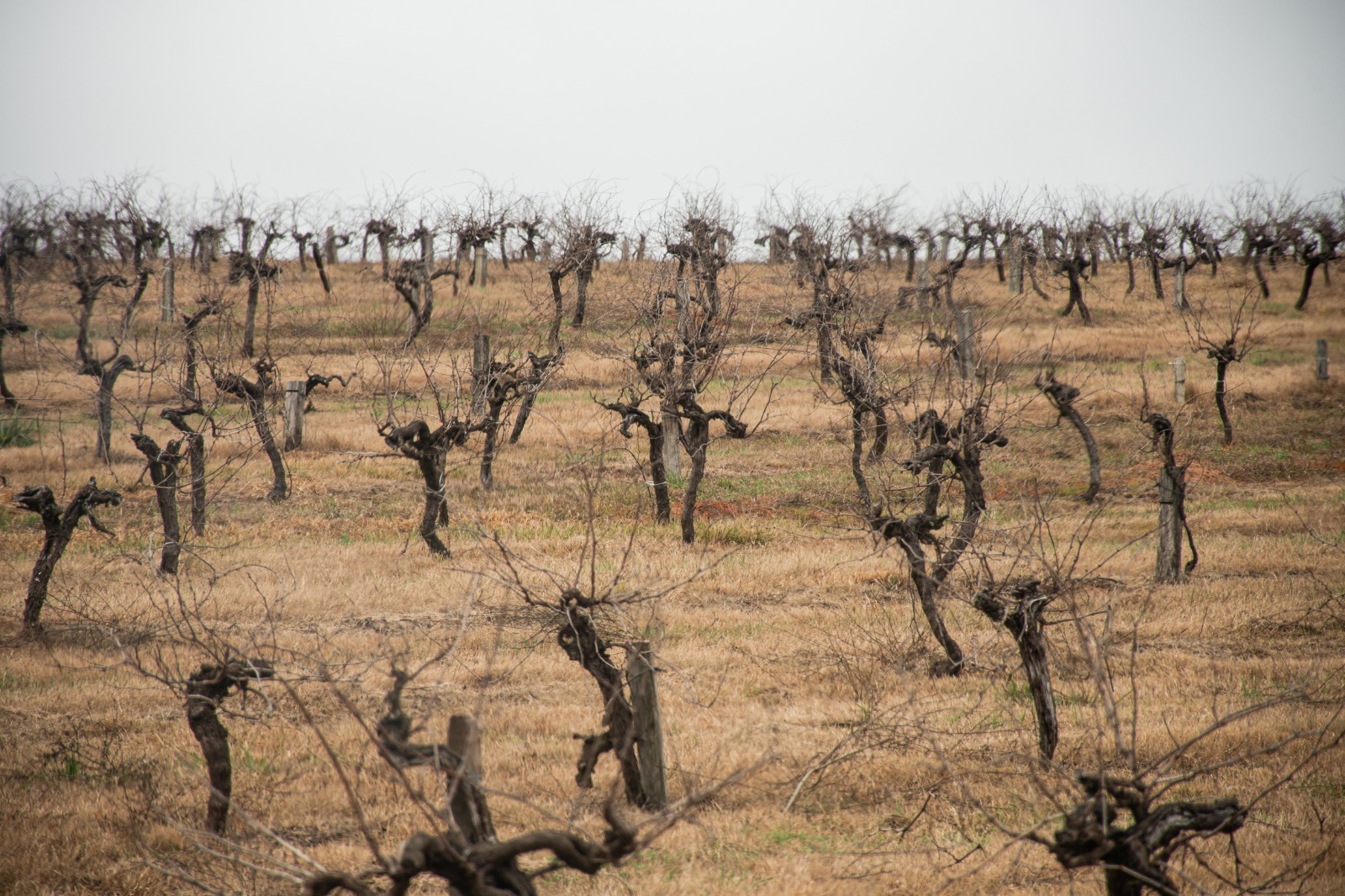
Em Santana do Livramento, na Campanha Central, um vinhedo plantado em 1976 acaba de entrar no mapa mundial das vinhas velhas. O primeiro parreiral da vinícola Almadén, hoje parte do Miolo Wine Group, foi registrado no Old Vine Registry, banco de dados internacional que cataloga vinhedos com mais de 35 anos. É este vinhedo de quatro hectares que origina o Miolo Vinhas Velhas Tannat, um dos rótulos da coleção dos Sete Lendários.
Os dados fornecidos pela Miolo são testemunhas da história da viticultura na Campanha Gaúcha e remontam a chegada da cultura da uva e do vinho ao local, a partir do trabalho pesquisadores como Carlos Eugênio Daudt, Harold Olmo e Antonio Santin.
“Um vinhedo de 50 anos carrega uma história que não pode ser construída de um dia para o outro”, diz Adriano Miolo, “são cinco décadas de adaptação das videiras ao território, de conhecimento acumulado e de respeito à natureza. Preservar esse patrimônio e transformá-lo em um vinho como o Vinhas Velhas é uma forma de valorizar nossas origens e mostrar ao mundo o potencial da vitivinicultura brasileira”, reforça o diretor-superintendente do Miolo Wine Group.
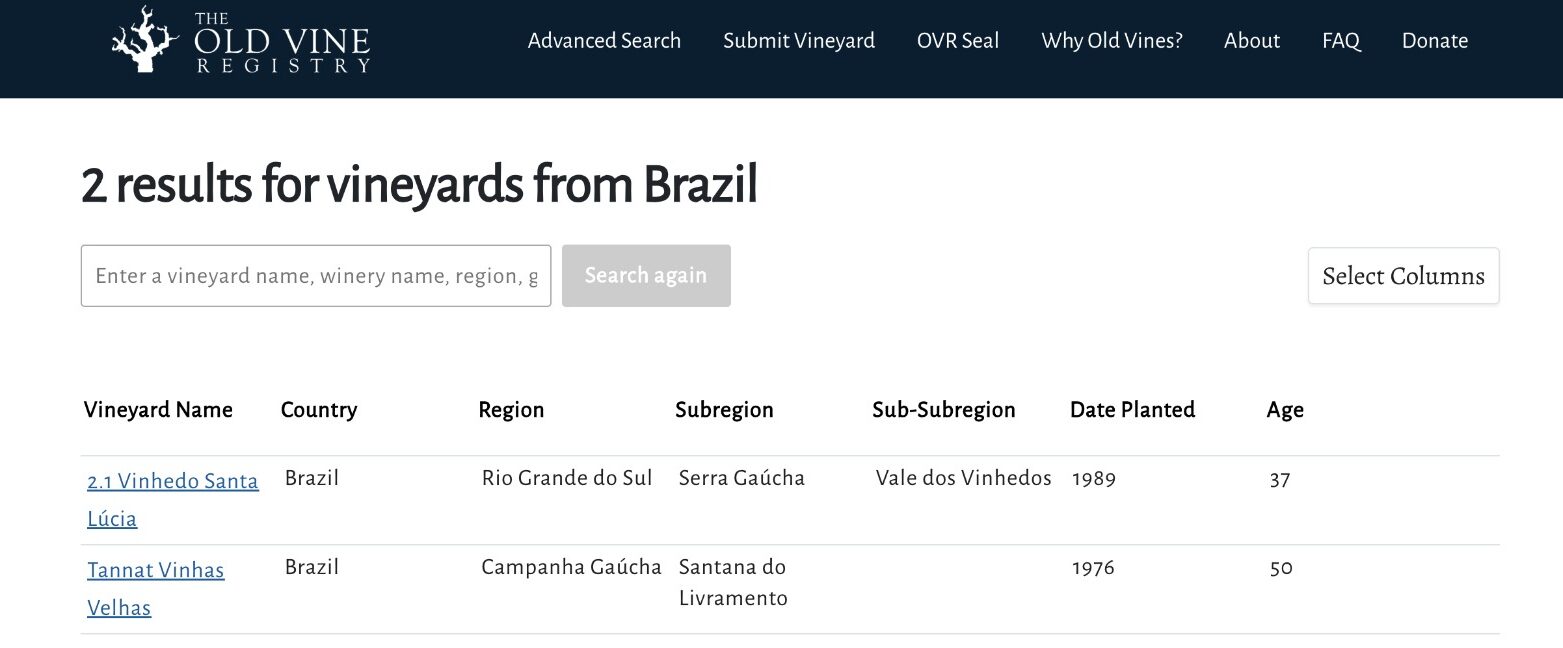
No Brasil, além do vinhedo da Almadén, em Santana do Livramento, faz parte do registro o vinhedo Santa Lúcia, pertencente à vinícola Larentis, localizado no Vale dos Vinhedos, uma área de 0,7 hectare cultivada com a uva Merlot. Conhecer sobre a procedência destas velhas vinhas é aprender sobre a origem das regiões, é muito interessante buscar as informações no site da OVR, são dados de plantio, condução, clima, solo, rendimento: uma verdadeira fotografia da área de produção de vinhas velhas no mundo. O Brasil aparece no registro com apenas dois vinhedos, em um universo de mais de 12,7 mil cadastrados em 43 países. Nas informações do site a França lidera, tanto em número de vinhedos quanto em área.
O que é o Old Vine Registry
A premissa do OVR é simples: não se protege o que não se conhece. Desta forma nasceu um banco de dados público e gratuito que reúne informações sobre vinhedos antigos: localização, variedades plantadas, ano de plantio e outras características que hoje documenta cerca de 48 mil hectares espalhados pelo mundo.
A ideia veio de nomes que são referências no mundo do vinho. Jancis Robinson MW e Tamlyn Currin começaram a organizar informações soltas sobre vinhedos velhos, algo em torno de 2 mil registros. Pouco tempo depois a Master of Wine Sarah Abbott fundou a Old Vine Conference, uma comunidade internacional dedicada ao tema. Na sequência o escritor americano Alder Yarrow, transformou estes dados em uma plataforma online, trabalhando como voluntário: em junho de 2023 nascia o OVR, um banco de dados que funciona de forma colaborativa: qualquer produtor pode inscrever um vinhedo que se enquadre nos critérios.
O registro também ajudou a botar ordem em uma nomenclatura que nunca foi tinha sido muito bem definida. Até então não existia uma regra internacional para o termo vinhas velhas, mas em 2024 a Organização Internacional da Vinha e do Vinho, adotou o limite de 35 anos, por sugestão do próprio OVR.
O selo
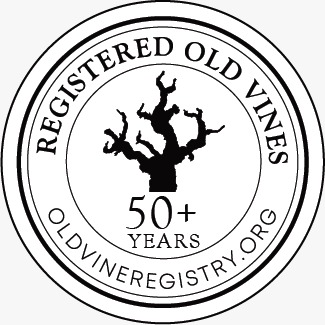
Em 1º de outubro de 2026, o OVR lançou o Selo OVR, que identifica nas garrafas os vinhos feitos com uvas de vinhedos cadastrados. Para usá-lo, pelo menos 85% das uvas precisam vir de um ou mais vinhedos registrados. O selo tem cinco faixas de idade: 35, 50, 75, 100 e 150 anos ou mais. Importante salienta que o selo não chancela qualidade, sustentabilidade nem práticas de cultivo, apenas atesta a origem e a idade das videiras.
Um vinhedo conduzido em vaso
No caso da Miolo, o vinhedo da Almadén já está no registro. O parreiral de Santana do Livramento é conduzido no sistema gobelet, também chamado de vaso, um dos métodos mais antigos de cultivo da videira. Sem espaldeira ou qualquer estrutura permanente de sustentação, a planta cresce como um pequeno arbusto, com os braços saindo de um tronco baixo, rente ao solo, desta forma a própria folhagem protege os cachos. O manejo é quase todo manual, principalmente na poda e na colheita.
“Esse reconhecimento internacional tem um significado muito especial porque distingue não apenas um vinho, mas toda a história que existe por trás dele”, resume Adriano Miolo.
Almadén’s 50-year-old vineyard joins the Old Vine Registry
In Santana do Livramento, in the Campanha Central, a vineyard planted in 1976 has just entered the world map of old vines. The first vineyard of the Almaden winery, now part of the Miolo Wine Group, was registered in the Old Vine Registry, an international database that catalogs vineyards that are more than 35 years old. It is this four-hectare vineyard that gives rise to the Miolo Vinhas Velhas Tannat, one of the labels of the Legendary Seven collection.
The data provided by Miolo are witnesses of the history of viticulture in Campanha Gaúcha and date back to the arrival of grape and wine culture in the place, based on the work of researchers such as Carlos Eugênio Daudt, Harold Olmo and Antonio Santin.
“A 50-year-old vineyard carries a history that cannot be built overnight”, says Adriano Miolo, “there are five decades of adaptation of the vines to the territory, of accumulated knowledge and respect for nature. Preserving this heritage and transforming it into a wine like Vinhas Velhas is a way of valuing our origins and showing the world the potential of Brazilian viticulture”, reinforces the managing director of Miolo Wine Group.
In Brazil, in addition to the Almaden vineyard, in Santana do Livramento, the Santa Lucia vineyard, belonging to the Larentis winery, located in Vale dos Vinhedos, an area of 0.7 hectare cultivated with the Merlot grape, is part of the record. To know about the origin of these old vines is to learn about the origin of the regions, it is very interesting to look for information on the OVR website, it is data on planting, conduction, climate, soil, yield: a true photograph of the production area of old vines in the world. Brazil appears in the registry with only two vineyards, in a universe of more than 12.7 thousand registered in 43 countries. In the information on the website, France leads, both in number of vineyards and in area.
What is Old Vine Registry
The premise of the OVR is simple: you don’t protect what you don’t know. In this way, a public and free database was born that gathers information about old vineyards: location, varieties planted, year of planting and other characteristics that today documents about 48 thousand hectares spread around the world.
The idea came from names that are references in the world of wine. Jancis Robinson MW and Tamlyn Currin began to organize loose information about old vineyards, something around 2 thousand records. Shortly thereafter, Master of Wine Sarah Abbott founded the Old Vine Conference, an international community dedicated to the topic. Then, the American writer Alder Yarrow transformed this data into an online platform, working as a volunteer: in June 2023 OVR was born, a database that works collaboratively: any producer can register a vineyard that fits the criteria.
The registration also helped to put order in a nomenclature that had never been very well defined. Until then there was no international rule for the term old vines, but in 2024 the International Organization of Vine and Wine adopted the limit of 35 years, at the suggestion of the OVR itself.
The seal
On October 1, 2026, the OVR launched the OVR Seal, which identifies wines made with grapes from registered vineyards on the bottles. To use it, at least 85% of the grapes must come from one or more registered vineyards. The seal has five age ranges: 35, 50, 75, 100 and 150 years or more. It is important to note that the seal does not seal quality, sustainability or cultivation practices, it only attests to the origin and age of the vines.
A vineyard led in a pot
In the case of Miolo, the Almadén vineyard is already on the record. The vineyard of Santana do Livramento is conducted in the gobelet system, also called vase, one of the oldest methods of growing the vine. Without espalier or any permanent support structure, the plant grows like a small shrub, with the arms coming out of a low trunk, close to the ground, in this way the foliage itself protects the bunches. The management is almost entirely manual, especially in pruning and harvesting.
“This international recognition has a very special meaning because it distinguishes not only a wine, but the entire history that exists behind it”, summarizes Adriano Miolo.
Fotos: divulgação Miolo Wine Group e reprodução site oldvineregistry.org.
As matérias publicadas em nosso site podem ser reproduzidas parcialmente, desde que constando o crédito para Brasil de Vinhos e publicando junto o link original da reportagem.
Articles published on our website may be reproduced in part, provided that credit is given to Brasil de Vinhos and the original link to the article is included.
Os artigos assinados não refletem a opinião dos sócios do Brasil de Vinhos. Se você quiser sugerir um artigo ou uma reportagem, escreva para [email protected]
Para nos prestigiar e manter o Brasil de Vinhos atuando, assine nosso conteúdo exclusivo no feed do instagram.
Para anunciar, escreva para [email protected] e fale conosco.